Social media marketing for a medical practice can eat an enormous amount of time and give very little back when you go about it the wrong way. For an interventional psychiatry clinic running TMS or Spravato, the stakes are a little higher, because you are posting about sensitive care to an audience that values its privacy. The good news is that you do not need to be on every platform or post every day. This is an honest look at what actually earns its keep and what you can safely ignore.
What social media can and cannot do for a clinic
Set expectations first. Social media rarely turns a stranger into a booked TMS patient on the spot. What it does well is build familiarity and trust over time, so that when someone is referred to you or finds you in search, your profile quietly backs up the decision. Think of it as the reassurance layer rather than the front door. Your website and local search bring people in, and social proof helps them feel comfortable choosing you.
Pick one or two platforms, not five
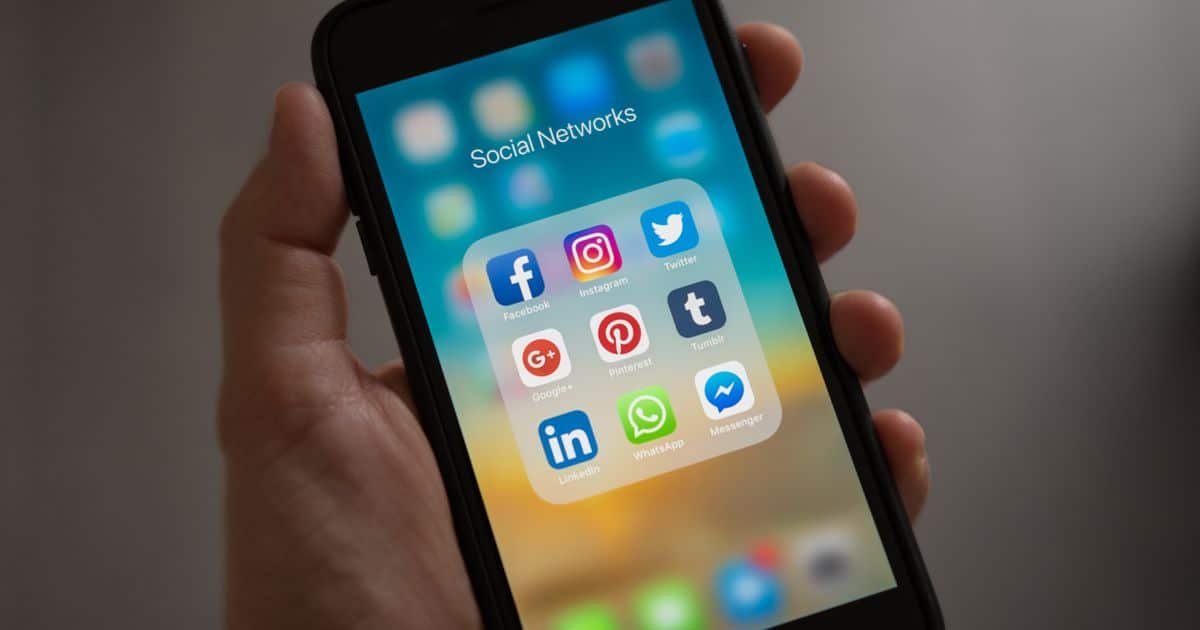
The fastest way to burn out is trying to run every channel at once. Most medical practices get more from doing one platform well than five sporadically. For a psychiatry clinic that usually means whichever platform your patients and referrers actually use, which is often Facebook for local community and reviews, with Instagram for a human look at your team and space. If you already make video comfortably, YouTube can carry real weight because it answers the questions patients type into search. Skip the platforms you know you will not keep up.
What to actually post
Keep it simple and repeatable. The content that works for a mental health practice is educational and human, not promotional. Answer the questions people are nervous to ask about TMS or Spravato. Introduce the staff so a first visit feels less intimidating. Walk through what to expect, the basics of insurance, and how someone gets started. You do not need patient stories to make this work, and given privacy rules you should avoid anything that identifies a patient without clear written consent.
Should the physician have a personal account
Some of the best healthcare social media comes from a single trusted clinician rather than a faceless brand. Social media for doctors can build real authority when a psychiatrist is comfortable explaining conditions and treatments in plain language. It is optional, though, and it only works when the person genuinely wants to do it. A reluctant account posted twice and then forgotten helps no one. If one of your providers enjoys teaching, give them light support and let their voice lead. If not, keep everything on the practice account and do not force it.
Where the compliance lines sit
This is the part generalists get wrong. Under HIPAA you cannot reveal that someone is your patient, reply to a review in a way that confirms treatment, or share identifying details without written consent. Avoid giving specific medical advice in the comments, since that can imply a clinical relationship. None of this puts social media off-limits. It just means your content stays educational and general, and your team knows what not to say. We covered more of the privacy side in our mental health marketing primer, and the short version is simple. When in doubt, leave it out.
How much time this really takes
Be realistic about effort. A sustainable rhythm for a busy clinic is a couple of posts a week, batched in an hour or two, plus a quick daily look for comments and messages. Consistency beats volume every time. It is far better to post twice a week for a year than every day for a month and then disappear. If you cannot keep it going in-house, handing it off is reasonable, but only once the basics like your website and Google Business Profile are solid.
Should you pay for social ads
Organic posting and paid ads are different tools. Paid social can put a specific message in front of people in your area, which helps for a new location or a service line you are trying to grow. It is easy to waste, though, and mental health targeting comes with extra platform restrictions, so start small and measure booked consults rather than likes. For most clinics paid search captures higher intent than paid social, so it is usually the better place to spend first.
Knowing whether it is working
Decide what a win looks like before you start. Follower counts and likes are the least useful numbers you can watch. Better signals are website visits coming from social, direct messages asking about treatment, and new patients who mention they saw you online. If a platform cannot show any of that after a few honest months, drop it and put the time somewhere that pays you back.
Common mistakes worth avoiding
A few habits sink most clinic accounts. The first is treating social media marketing for a medical practice like a billboard, all promotions and no substance, which quietly trains people to scroll past. The second is chasing trends that do not fit a mental health setting, where a jokey tone can read as careless. The third is starting strong and then going quiet, which does more harm than never starting, since an abandoned profile makes a clinic look closed. The last is measuring the wrong thing, celebrating a viral post that brings zero patients while ignoring the steady account that fills consults. Avoid those four and you are already ahead of most practices.
Social media marketing for a medical practice is worth doing when it is simple, consistent, and pointed at the right audience, and it is not worth much when it turns into a daily scramble. If you want help deciding where a TMS or Spravato clinic should spend its limited marketing time, CuraReach can map it out with you. Book a strategy call and we will start with what moves patients, not what looks busy.