
Marketing for behavioral health organizations, built for every program you run
You have outpatient therapy, med management, and an IOP that all need referrals, plus two or three locations that each need to be found. We build one system that fills all of them.
Why census stays uneven
Most behavioral health organizations aren’t short on demand. They’re short on a way to point demand at the program that has capacity this week.
One website, five programs
Your site was built when you had one service. Now IOP, med management, and therapy all share one “Services” page, and none of them rank. Patients searching for a specific program never find out you offer it.
Locations that cancel each other out
Two or three offices, one Google Business Profile that’s half set up, and the same page ranking for all of them. Google can’t tell your sites apart, so neither can patients.
Referrals that live in one person’s inbox
Discharge planners, primary care, school counselors, EAPs. Referral volume tracks whoever on your team last took someone to coffee. When they’re busy, the pipeline goes quiet.
Inquiries that die at intake
Someone calls at 4:50pm about your IOP. They get voicemail, then a callback two days later, by which point they’ve admitted somewhere else. Marketing gets blamed for a follow-up problem.
The people you treat are already searching
Nearly one in four US adults received mental health treatment in the past year: 59 million people. Very few of them went looking for “behavioral health services.” They searched for a symptom, a program name, or a town. Whether you show up for those searches is what decides your census.
of US adults received
mental health treatment in 2024
US adults who received
mental health treatment that year
of adults with serious mental
illness received treatment
What we do for behavioral health organizations
Every channel is set up around one question: which program has capacity, and how do we fill it this month.
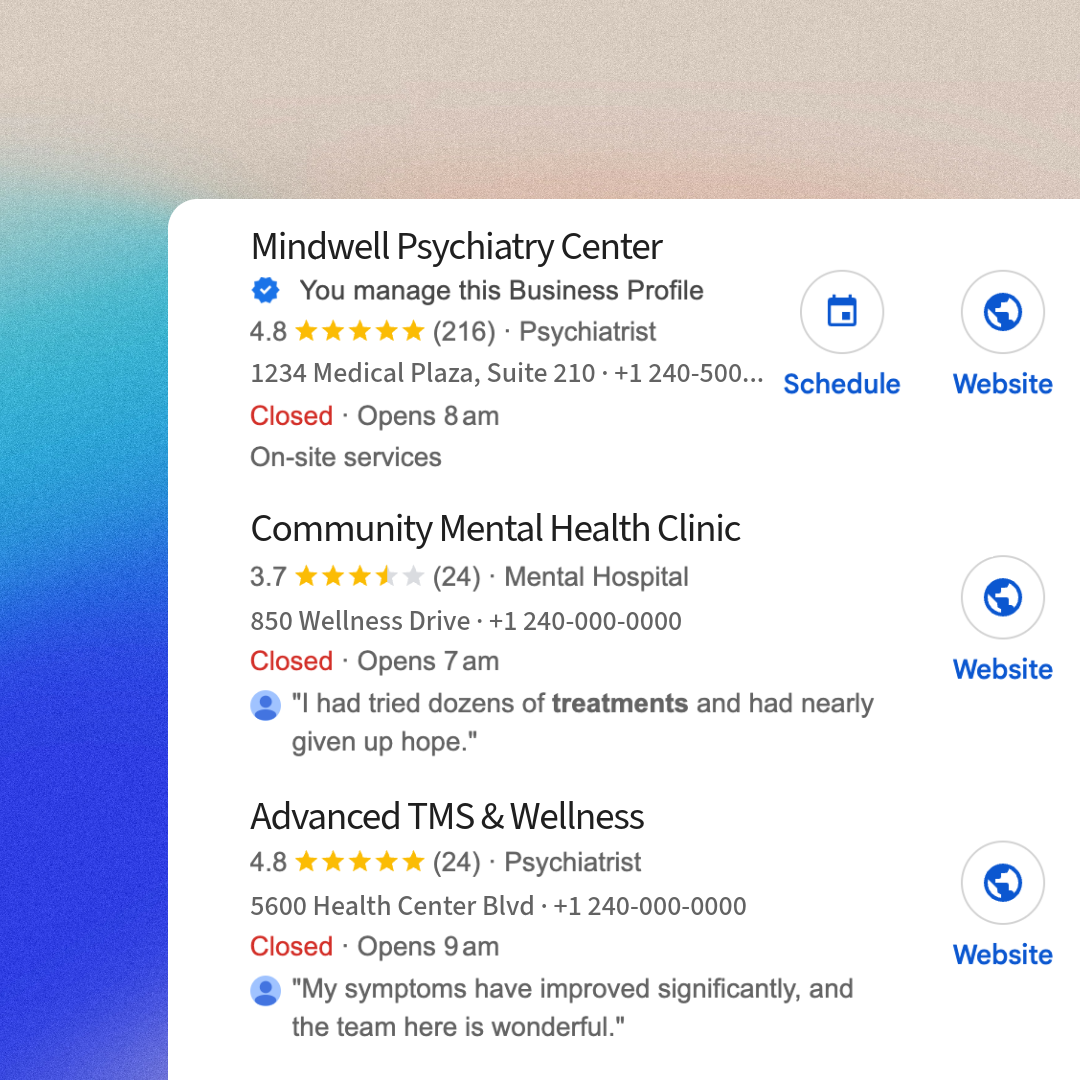
Program-level SEO and local search
A page per program and a page per location, each ranking on its own terms. Google Business Profile set up properly for every site, with consistent NAP across directories.
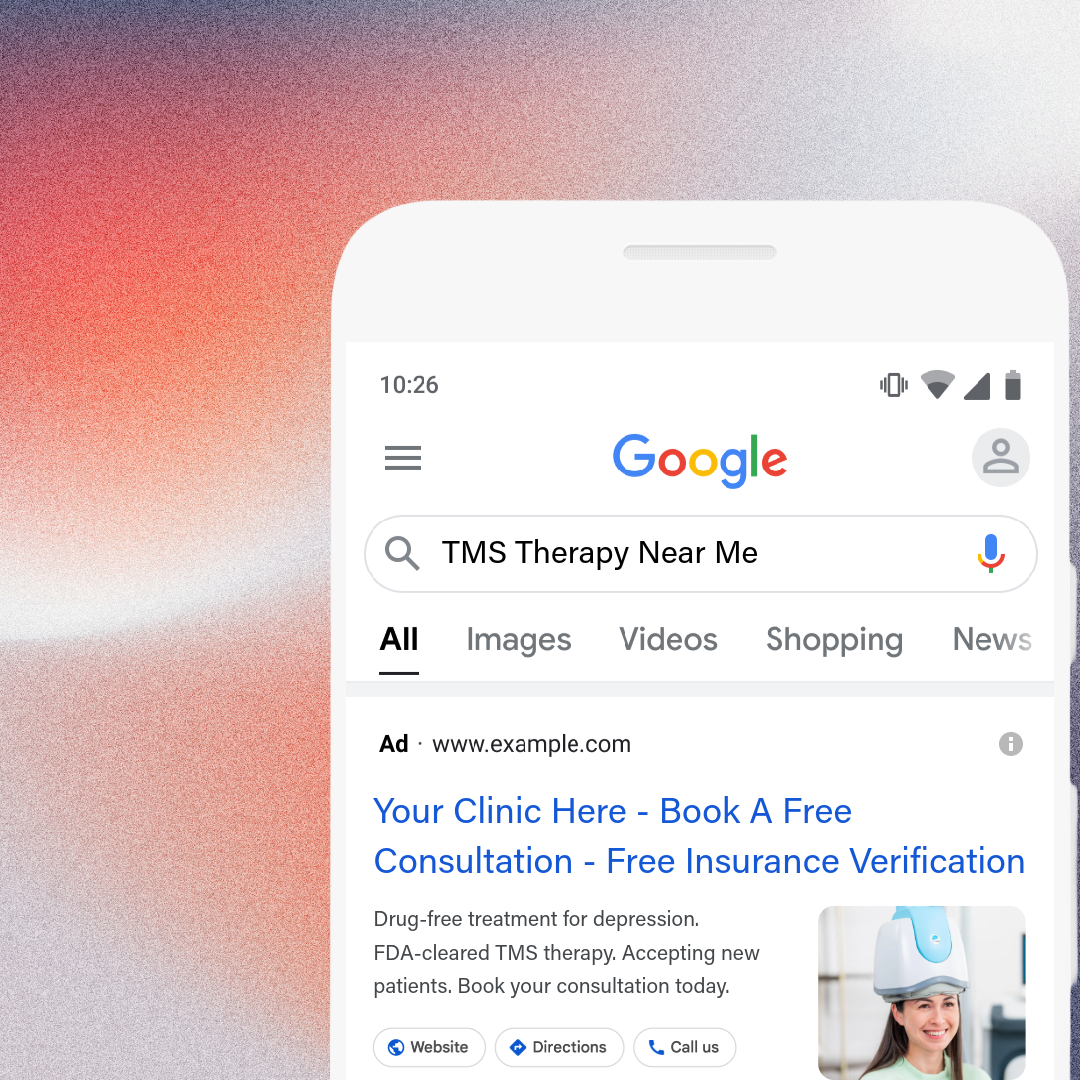
Google Ads by program and payer
Separate campaigns for IOP, med management, and outpatient therapy, with insurance-aware filters, so spend moves toward whichever program has open capacity.
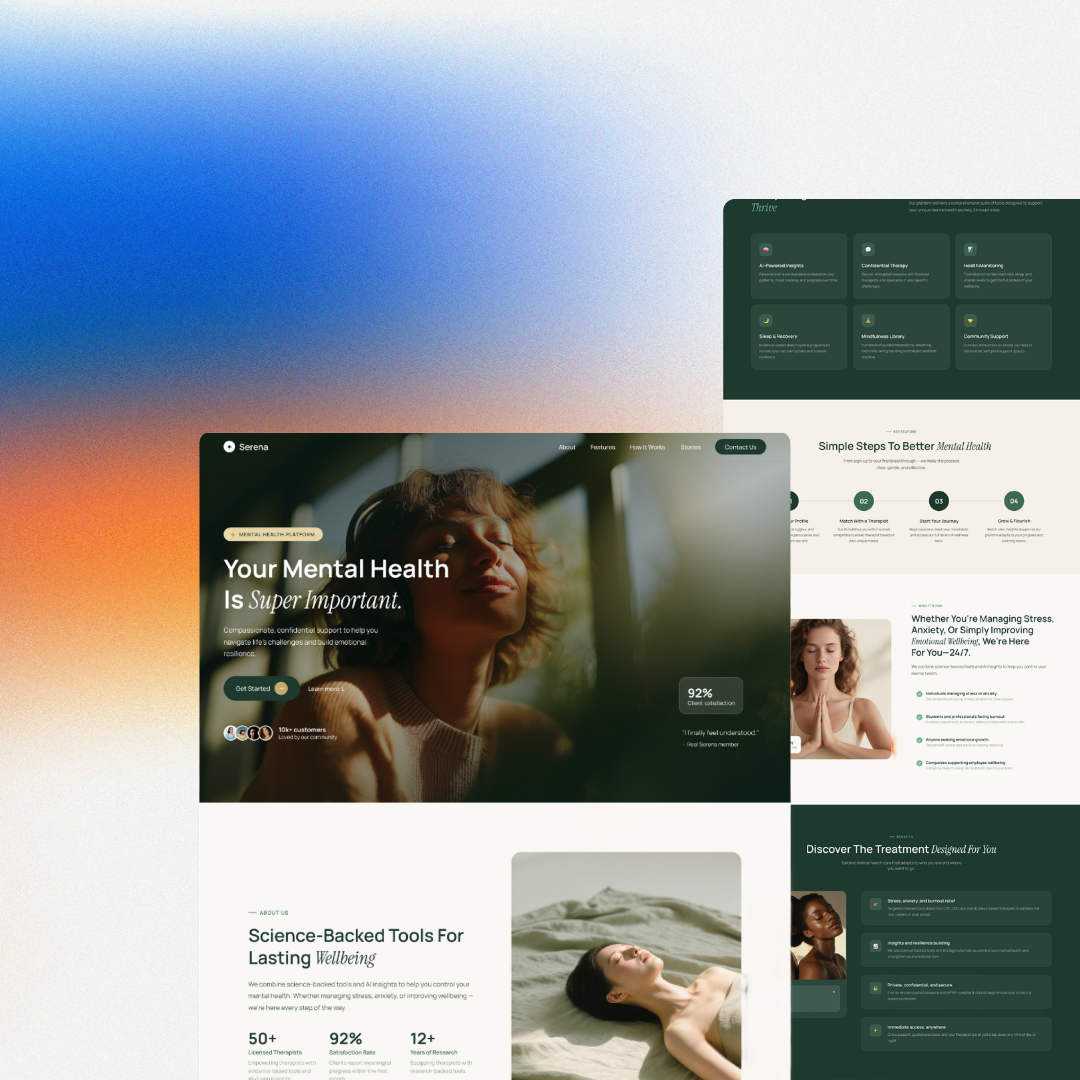
Websites that can hold an org this size
Program pages, location pages, and an intake path that routes each inquiry to the right team instead of one generic contact form.
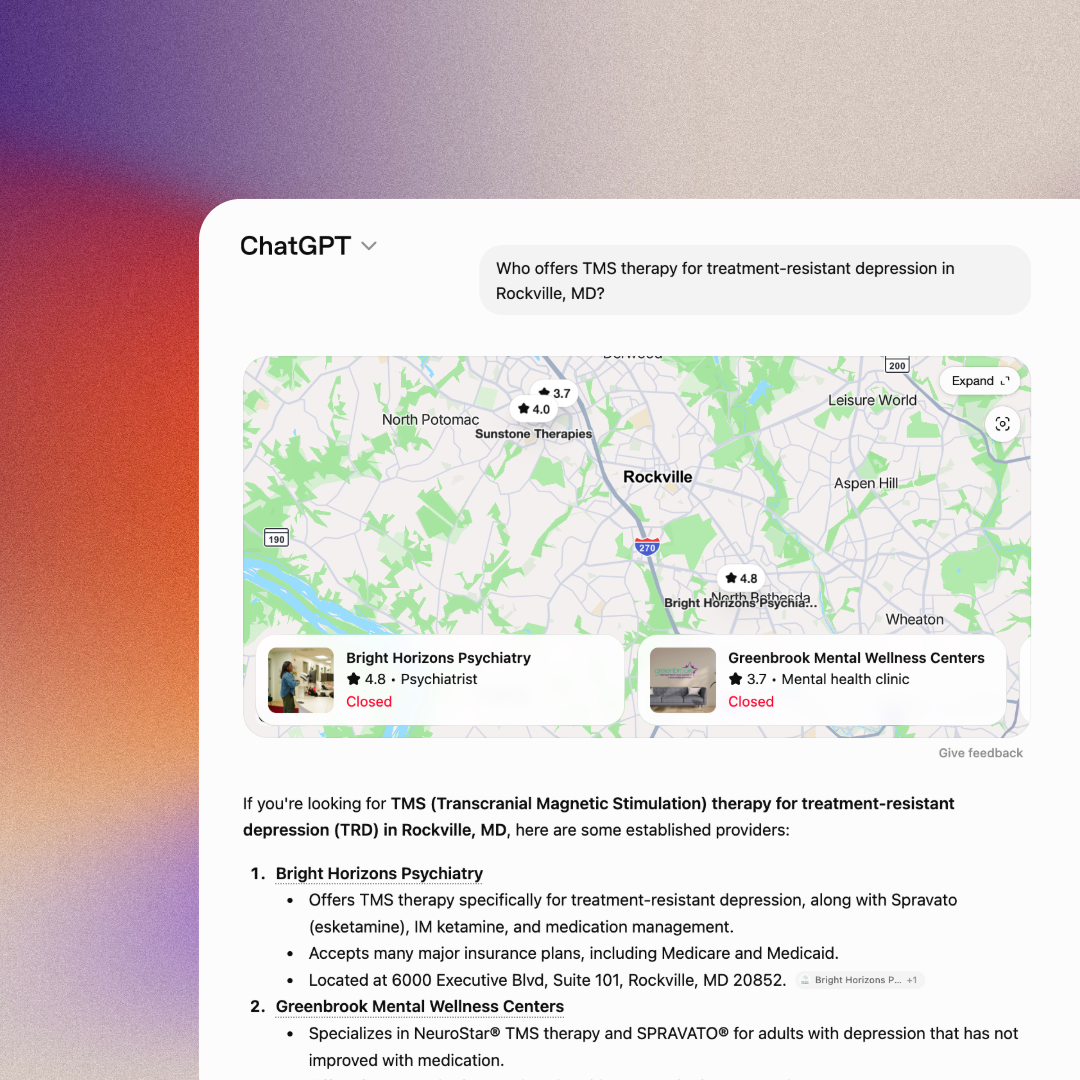
Get cited when patients ask AI
When someone asks ChatGPT or Google’s AI where to find an IOP in your city, your programs should be in the answer. We structure your content so they are.
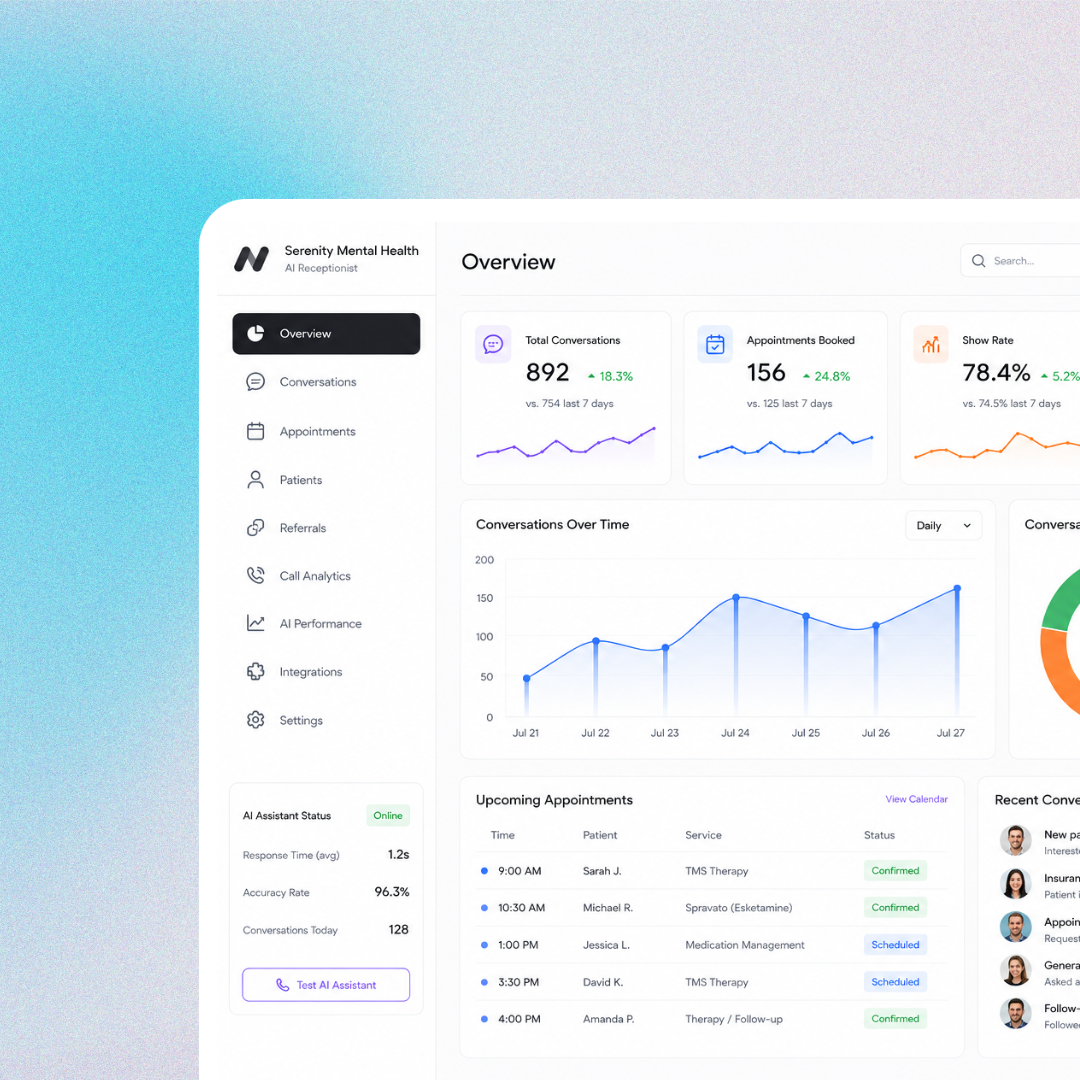
Phone coverage that doesn’t sleep
AI phone agents that answer program questions after hours, take insurance details, and book intakes — so a 4:50pm call doesn’t become somebody else’s admission.
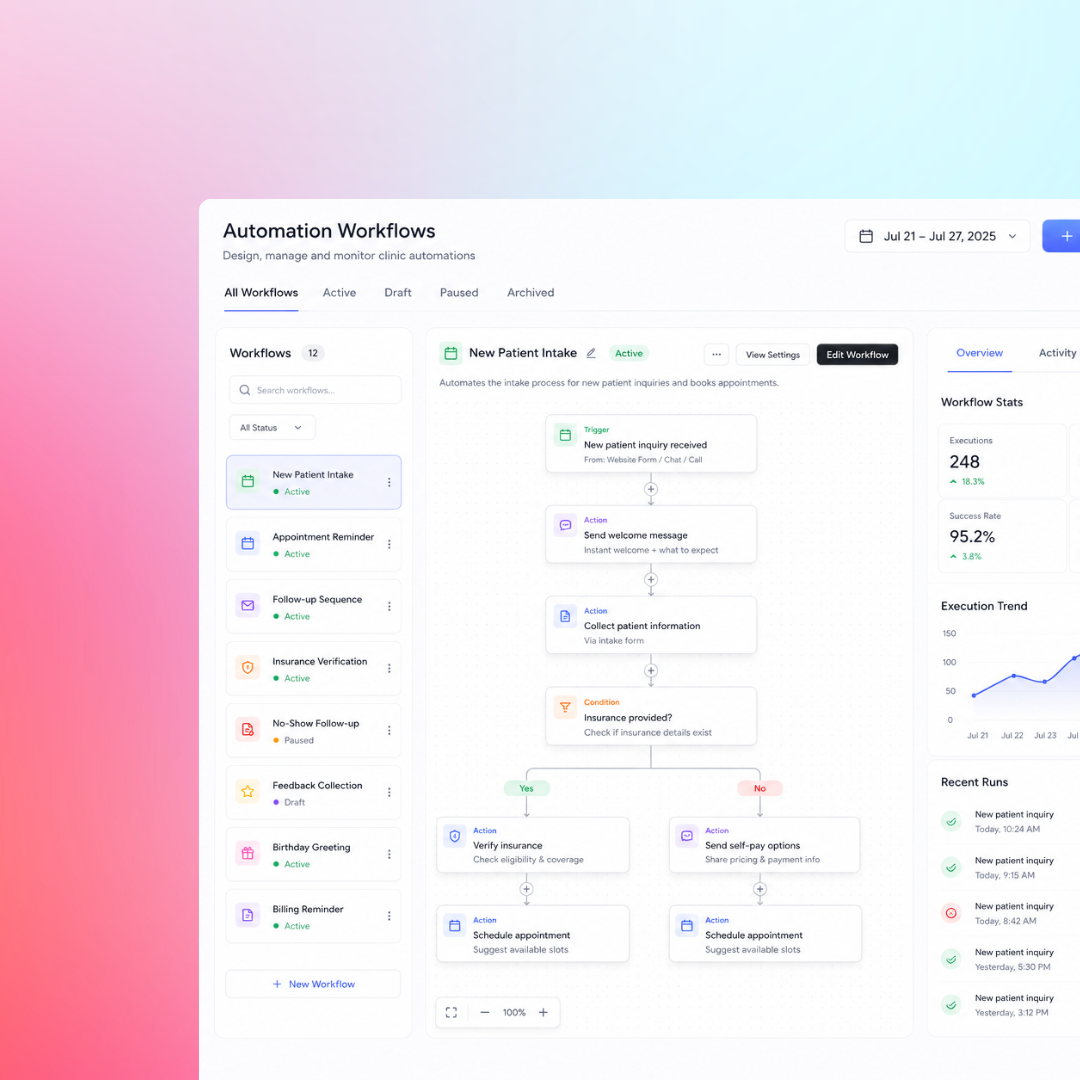
Intake automation across programs
Every inquiry gets a response in minutes, gets routed to the right program, and gets followed up until it’s booked or closed. Nothing sits in a shared inbox over a weekend.
Why behavioral health marketing is its own discipline
A generic local-business playbook assumes one service, one location, and one buying decision. You have none of those.
Program mix, not one service
An IOP inquiry, a med-management inquiry, and a therapy inquiry are three different searches, three different decisions, and three different intake paths. Marketing that treats them as one lead type wastes most of the budget.
Multi-site local search
Each location needs its own page, its own Google Business Profile, and its own citations, or your offices compete with each other in the same search results. Getting this wrong is the single most common problem we find in audits of orgs your size.
Two audiences at once
You’re marketing to patients and to referral sources at the same time, and they need different things. Patients want to know what a first session feels like. A discharge planner wants to know your admission criteria and how fast you can take someone.
HIPAA-aware everything
Tracking pixels, form fills, CRM records, call recordings. In behavioral health, all of it is sensitive. We build campaigns so client information never reaches Google or Meta — that’s a setup decision, not something you bolt on later.
How it works
A clear path from audit to steady census, so you know what happens next and when.
-
Free audit
We review each location’s local presence, each program’s pages, your ads, and your intake path — then show where inquiries are leaking and what to fix first.
-
Strategy and plan
We map programs against payer mix and capacity, and decide where the budget goes. You get a plan, a timeline, and a definition of what a booked intake counts as.
-
Build
We build the program pages, location pages, campaigns, and follow-up sequences, and wire tracking so you can see which program each inquiry came from.
-
Launch and optimize
Campaigns go live with HIPAA-aware tracking tied to booked intakes. We tune every couple of weeks and report in plain language — by program, so you can see which ones are filling.
What a free audit covers
- Google Business Profile setup and accuracy for every location
- Whether each program has a page that can rank on its own
- NAP and citation consistency across directories and insurance finders
- Which competitors own the local pack in each of your markets
- Where your current site loses people between landing and inquiry
- Response time on your existing inquiry path, measured end to end
- Whether tracking is currently leaking patient information to ad platforms
- Whether AI search engines can find and cite your programs
Behavioral health marketing FAQs
What does behavioral health marketing cost?
It depends on how many locations and programs you’re running, and how much of the funnel you want us managing. Most behavioral health organizations pay a monthly management fee plus an ad budget they control directly. We give you a real number after the free audit rather than a range that means nothing.
How long until census improves?
Paid ads can bring inquiries within the first few weeks. Local SEO and program-page rankings usually take two to four months to move, longer in competitive metros. We generally run both, so you get near-term inquiries while organic traffic compounds underneath.
Can you market several programs without them competing with each other?
Yes, and that’s most of the work. Each program gets its own pages, its own campaigns, and its own tracking, so an IOP inquiry and a therapy inquiry never land in the same bucket. Budget can then move toward whichever program has open capacity.
We have multiple locations. How do you handle that?
Each location gets its own page, its own Google Business Profile, and consistent citations across directories. Without that separation, your own offices compete for the same search results and Google picks one more or less at random.
Is behavioral health advertising HIPAA compliant?
It has to be, and we build it that way from the start — tracking, forms, CRM records, and ad copy that follows Google and Meta’s healthcare rules. We call it HIPAA-aware marketing: campaigns built so client information stays out of ad platforms. It doesn’t replace your own compliance program, BAAs, or legal counsel.
Do you help with referral sources, or only patient marketing?
Both. Direct-to-patient acquisition gives you a pipeline that doesn’t collapse when one referral relationship goes quiet, but referral relationships are still how a lot of admissions happen. We support the referral side with materials, pages, and follow-up that make it easy for a discharge planner to send someone your way.
Do you guarantee a number of new admissions?
No. No honest agency can promise an exact patient count, and we won’t pretend otherwise. What we commit to is a clear strategy, plain-language reporting, and month-to-month terms — if it isn’t working, you can leave.
We already have a marketing person. Where do you fit?
Usually as the technical layer they don’t have time to build: local SEO across locations, ad account structure, tracking, and intake automation. Your team keeps the relationships and the clinical voice. We handle the plumbing.
What makes you different from a general marketing agency?
We only work with mental health and behavioral health organizations. We already know how program mix, payer rules, and referral patterns work, so you’re not paying us to learn your industry on your time.