
Psychiatry Marketing for Private and Group Practices
SEO for private practice psychiatrists — Google Ads, treatment pages, and intake automation.
Specialists in mental-health marketing HIPAA-aware campaigns
You didn’t train for empty new-patient slots
When the calendar has open hours, the week still fills with charts and calls — not marketing. Many practices lean on insurance directories because there’s no time left to build a pipeline, and the hard-sell tactics other agencies push don’t sit right for psychiatry. That gap isn’t a skill problem. It’s a patient-acquisition problem — and it’s fixable without turning your practice into a sales floor.
How marketing for psychiatrists works
Four channels that actually fill a psychiatry schedule — explained plainly, without the hard sell.
Why does local SEO matter for psychiatrists?
Local SEO helps your practice show up when someone searches “psychiatrist near me” or similar terms in your city. Google Business Profile, Maps, and location pages put you in front of patients already looking for care. Without that visibility, nearby patients default to insurance directories and competitors who rank first.
How do Google Ads help fill high-intent appointments?
Google Ads place your practice at the top of search for people ready to book — queries like depression treatment, ADHD psychiatrist, or telepsychiatry. You pay when someone clicks, and campaigns can be limited by geography and specialty so spend stays tied to real appointment demand. Done carefully, ads fill calendar gaps while organic rankings catch up.
What makes a HIPAA-safe website for a psych practice?
A psychiatry website should explain services clearly, set expectations, and make booking simple — without leaking protected health information through forms, pixels, or chat tools. HIPAA-aware design means careful tracking, secure intake paths, and copy that educates instead of diagnosing. Informed patients are more likely to request an appointment.
How do reputation and content support patient acquisition?
Reviews and helpful content build the trust patients need before they call a psychiatrist. Clear pages on conditions you treat, what a first visit looks like, and how telepsychiatry works answer questions people already search. Strong reviews and consistent content also reinforce local SEO and give Google — and AI overviews — material that cites your practice as a credible option.
What we do for psychiatrists
From local search to booked intakes — every channel is tuned for psychiatry patient acquisition, with HIPAA-aware tracking and no hard sell.
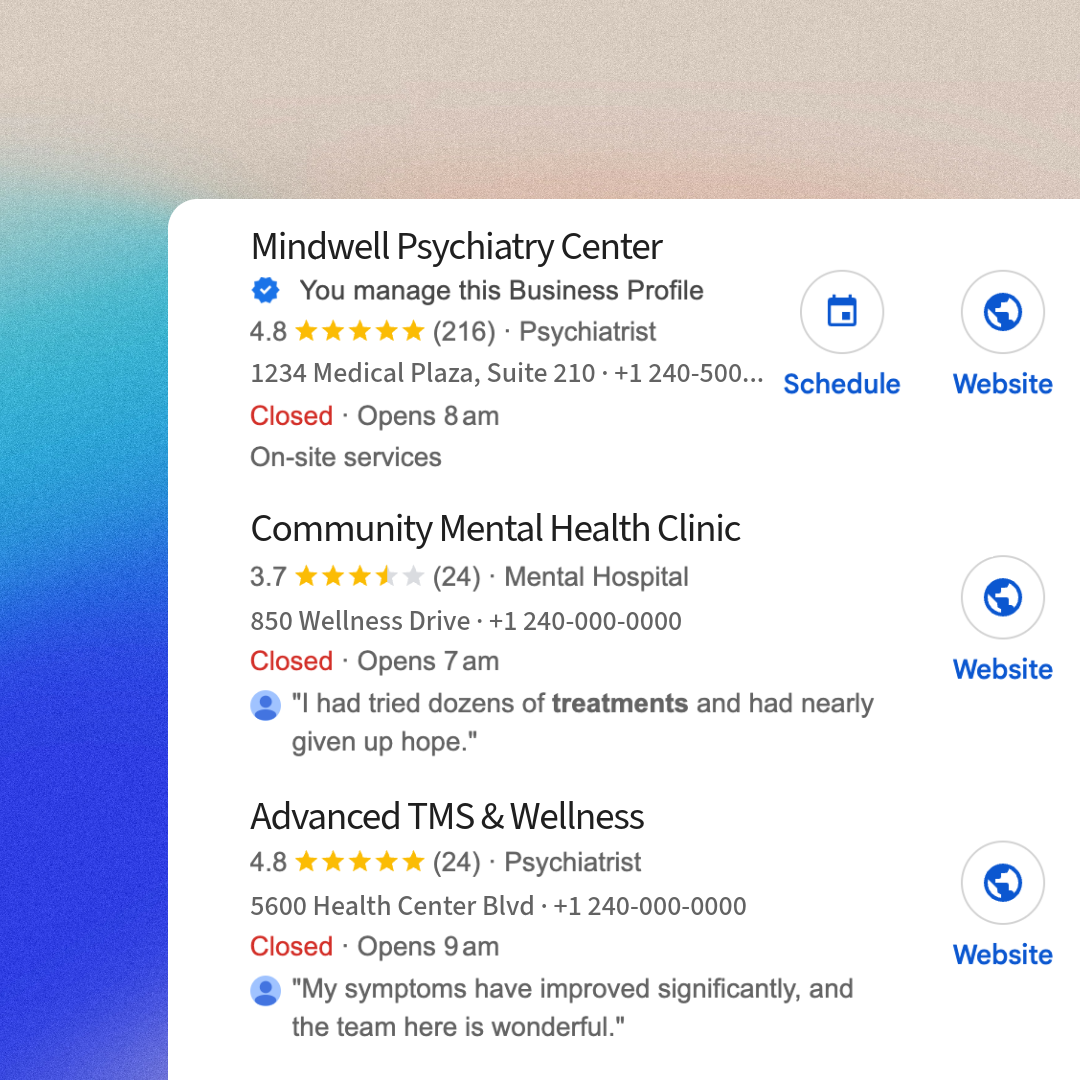
SEO & local search
Rank for “psychiatrist near me” and treatment searches in your area — Map Pack, GBP, and NAP consistency so nearby patients find your practice first.
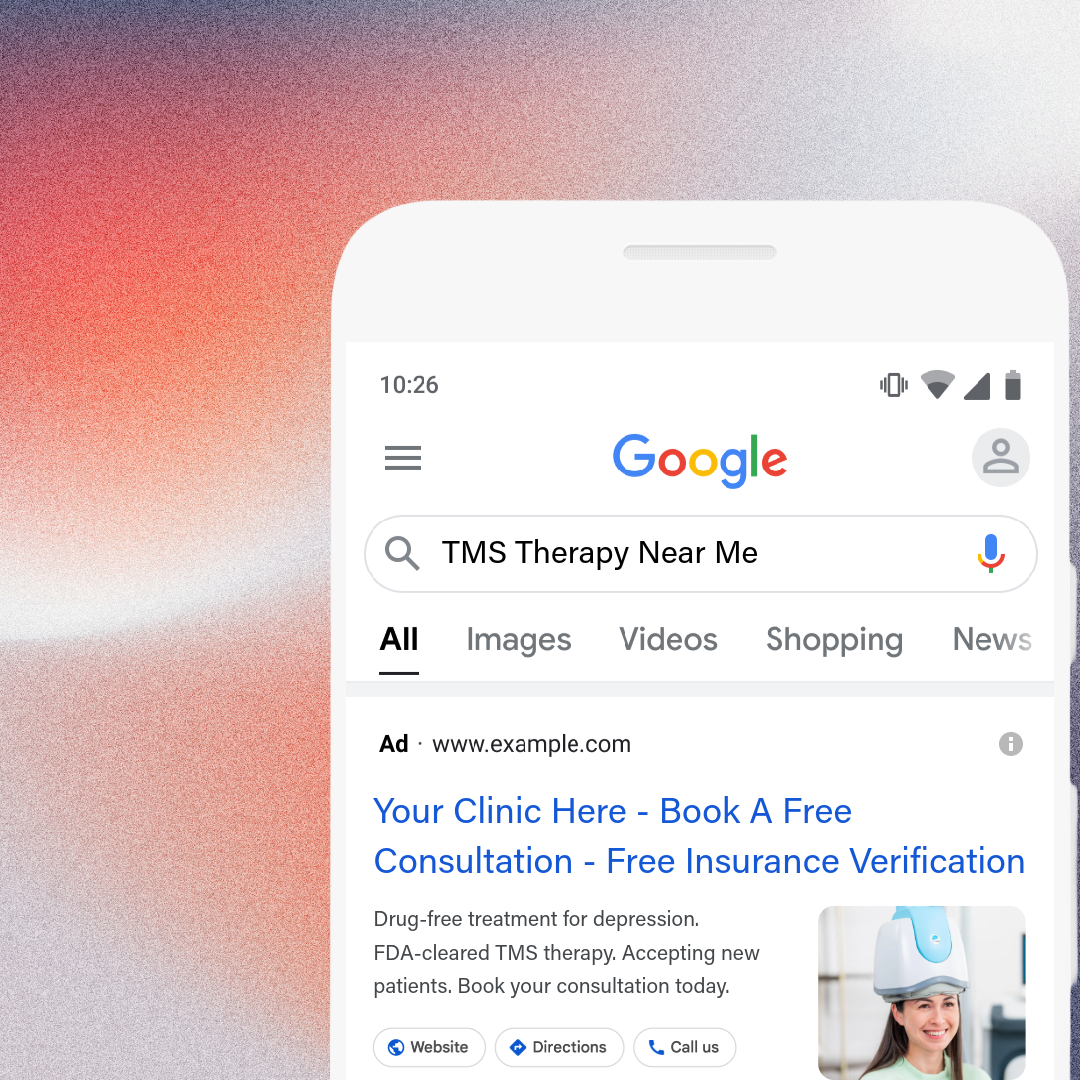
Google Ads & paid media
Campaigns that reach patients searching for psychiatry care — insurance-aware filters, specialty targeting, and tracking tied to booked consults.
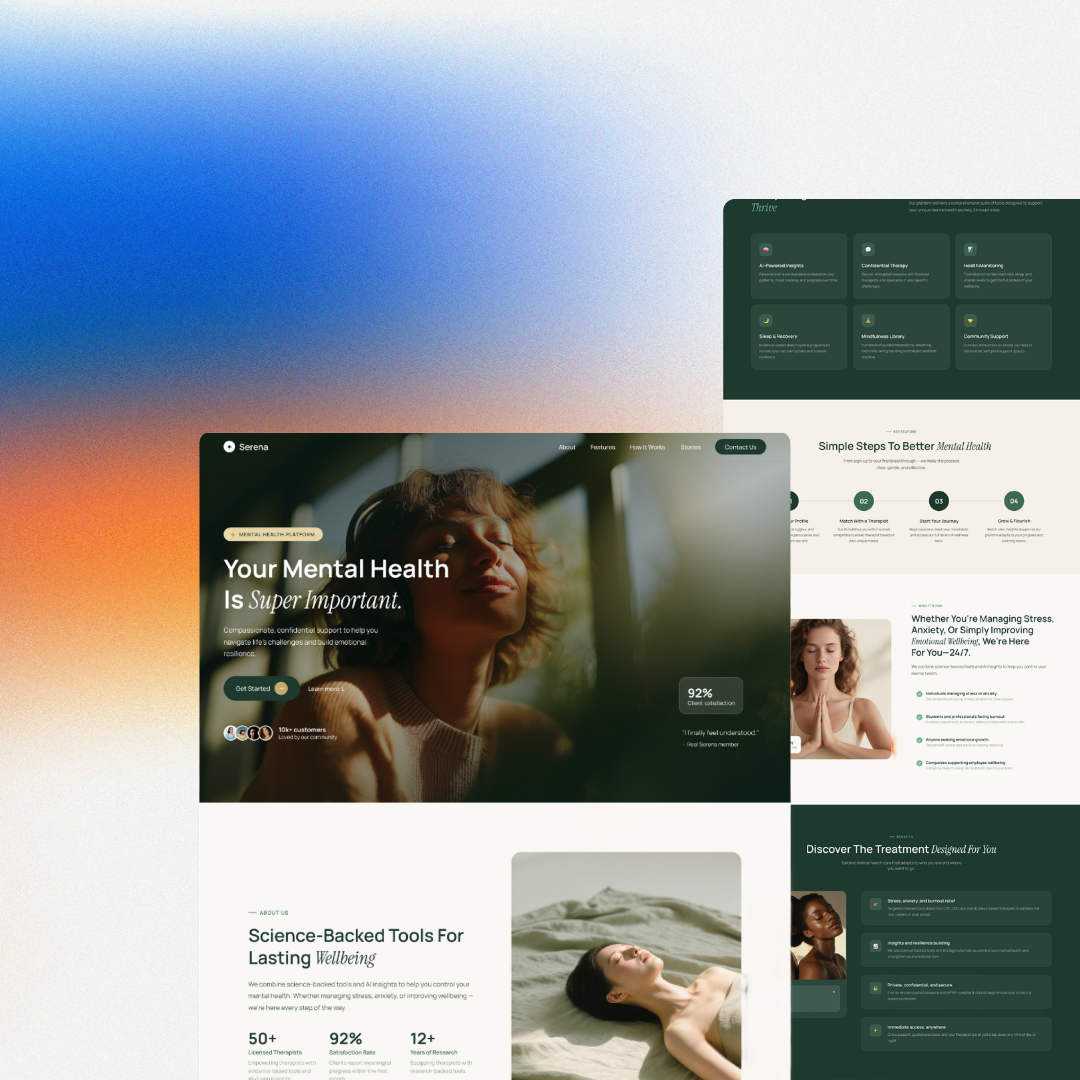
Conversion-focused websites
Psychiatry practice sites built to turn cautious visitors into scheduled intakes — clear med-management and treatment pages, secure forms, mobile booking.
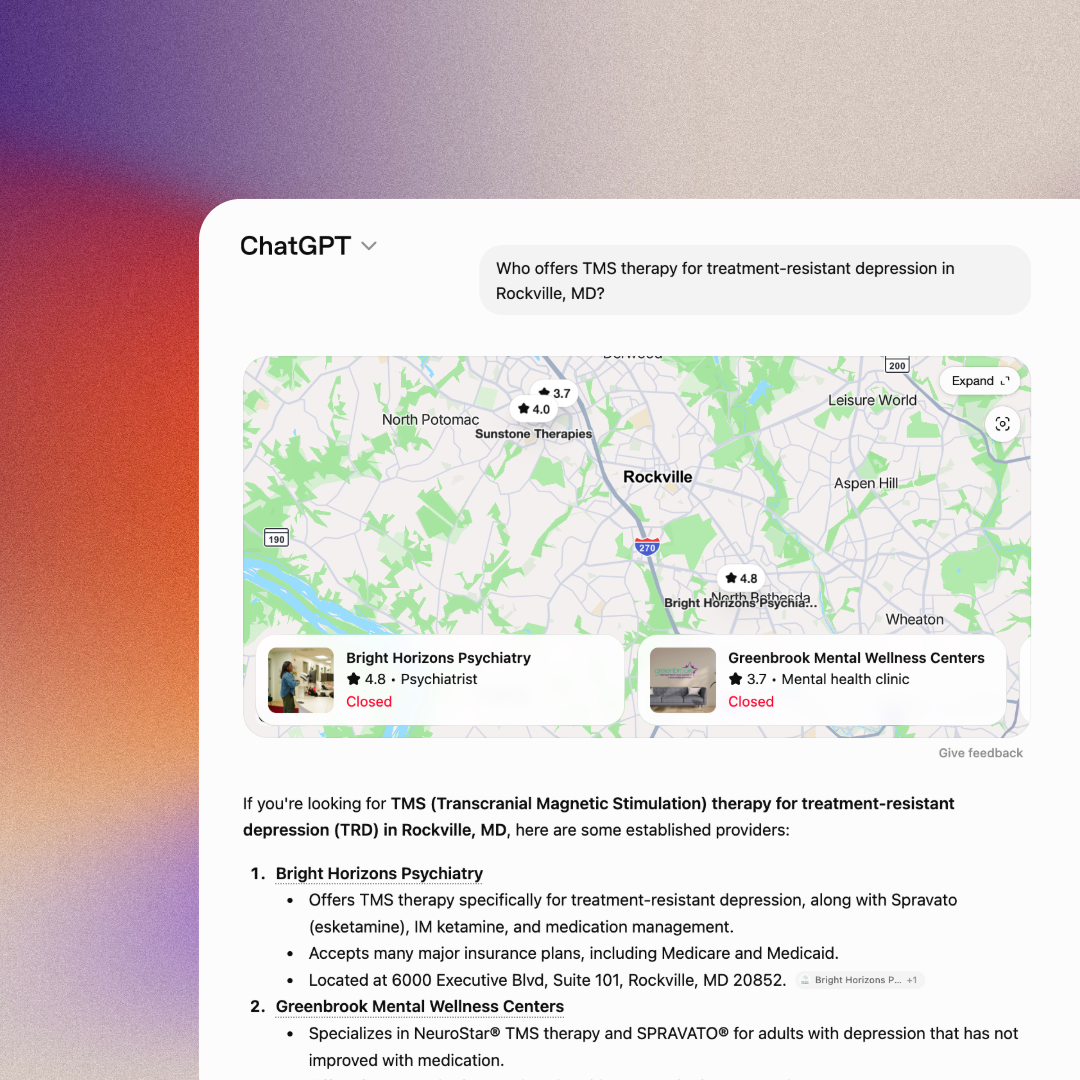
AI search optimization
Get your practice cited when patients ask ChatGPT, Perplexity, or Google AI for a psychiatrist near them — or for ADHD, anxiety, and depression care.
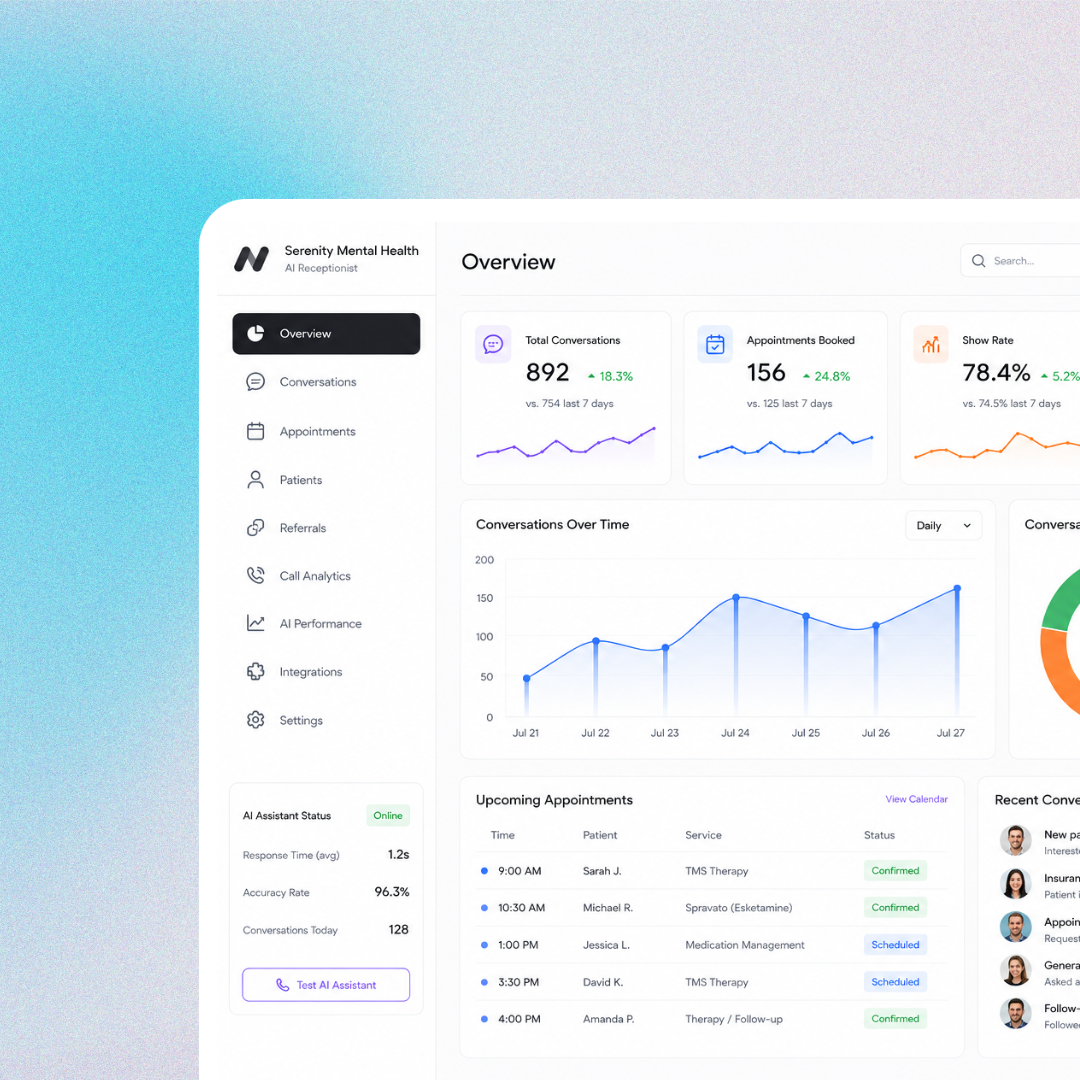
Voice AI
After-hours phone agents that answer common psychiatry questions, qualify fit, and book intakes — so ready patients never land on voicemail.
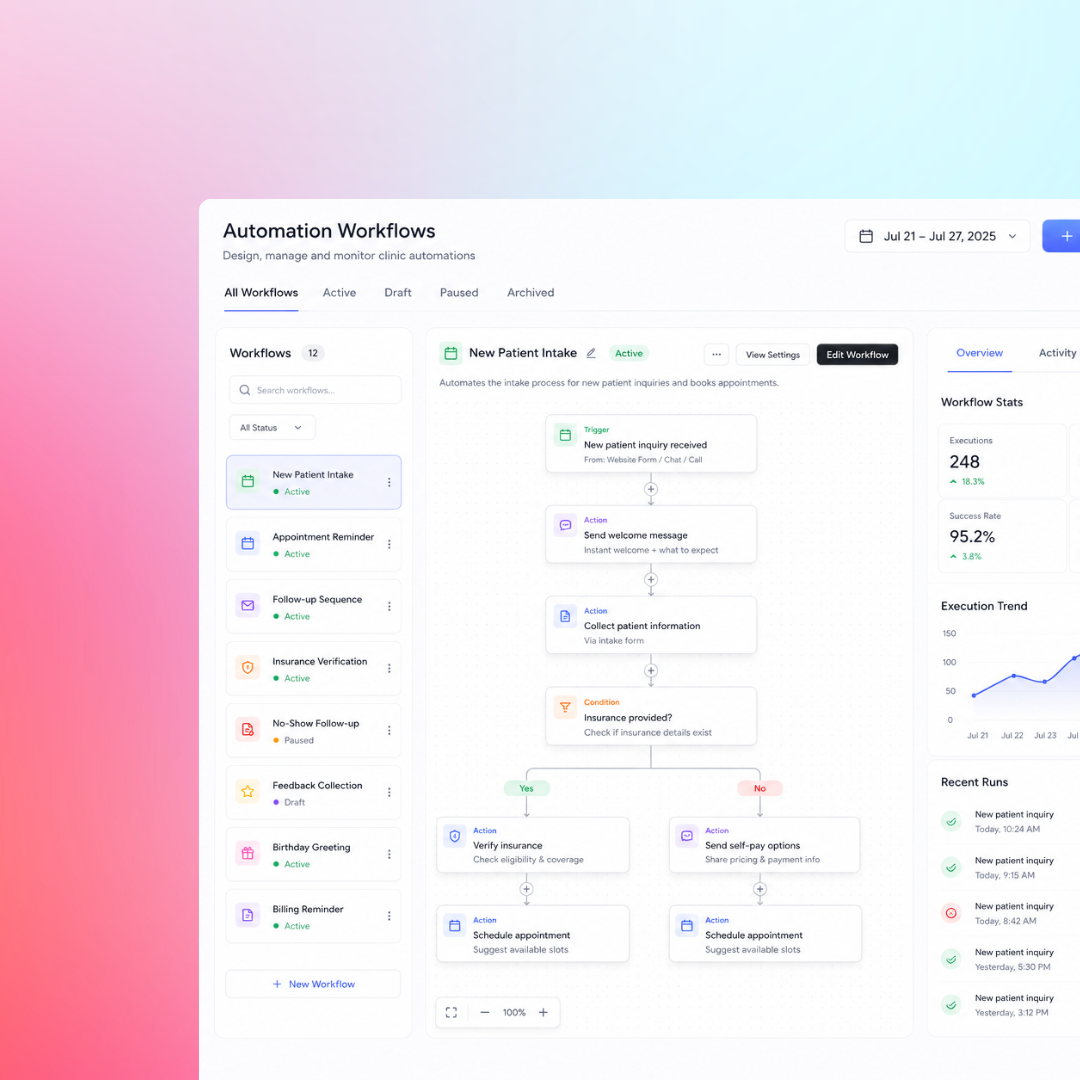
Intake automation
Missed-call text-back, form completion, and appointment reminders so psychiatry inquiries don’t go quiet between “interested” and “booked.”
How we work with you
A clear, low-risk path from first conversation to a live patient-acquisition plan — so you always know what happens next.
-
Book a strategy call
Takes about 30 minutes. We learn your practice type, capacity, and where new patients currently come from — no pitch deck, no pressure.
-
Free practice audit
Within 5 business days we review your local search, site, ads (if any), and intake follow-up — and flag the gaps that keep slots empty.
-
Your custom growth plan
Same week as the call, you get a written plan: channels, priorities, and a 90-day timeline tailored to private practice, group, or telepsychiatry.
-
Launch & optimize
Weeks 2–4 we build and go live. Then we report on booked consults — not vanity clicks — and tune what fills your schedule.
Why CuraReach for psychiatrists
No client testimonials on this page yet — so here’s the honest case for working with us: niche focus, compliance-safe marketing, direct strategist access, and metrics that matter.
Mental health only
We only market mental health practices — not dental, HVAC, or a mixed local roster. That niche focus is the strongest difference versus a generalist agency.
HIPAA-aware & ethical
Campaigns, forms, and tracking are built for compliance-safe psychiatry marketing — no PHI leaks into ad platforms, no pushy “salesy” tactics that undermine trust.
Direct strategist access
You’ll work with a strategist who knows psychiatry patient acquisition — not a call center script or a rotating junior bench that rediscovers your practice every month.
Booked appointments, not vanity metrics
We focus on booked appointments and qualified inquiries — not impressions, clicks, or other vanity numbers dressed up as growth.

What we optimize for
No fabricated case studies — just the metrics that actually fill a psychiatry schedule. This is the scoreboard we work against with every practice.
“Psychiatrist near me” visibility
Map Pack and local organic presence for the searches patients actually make — so nearby people find you before a directory or competitor.
Cost per qualified inquiry
Not cheapest clicks. We watch what it costs to bring in a fit-ready inquiry your practice can book — cash-pay or insurance.
Booked appointments
The only number that fills the week: patients on the calendar. Everything else is a leading indicator toward that outcome.
Speed to lead
How fast inquiries get a response. Minutes matter for psychiatry interest — slow follow-up is where ready patients quietly choose someone else.
Google Business Profile strength
Complete category, posts, photos, and NAP consistency — the foundation of local pack rankings for psychiatry practices.
HIPAA-safe measurement
Tracking and forms set up to measure calls and bookings without sending PHI into ad platforms or default contact tools.
Proof before a retainer
Get a free practice marketing audit — we’ll show where local search, ads, and intake are leaking patients, and what we’d fix first.
Marketing for Psychiatrists FAQs
How do psychiatrists get more patients?
Most new psychiatry patients come from three places: local search, referrals from primary care and therapists, and directories like Psychology Today or Zocdoc. Local search is the one you control most directly — it means showing up when someone nearby types “psychiatrist near me” into Google.
Getting there takes an optimized Google Business Profile, a location page on your website for each office, and enough content about the conditions you treat for Google to treat you as a credible answer. Referrals and directories still matter, but they cap out. Search keeps compounding.
Is marketing for psychiatrists HIPAA compliant?
It can be, but a lot of standard marketing setups are not. The usual problem is tracking. A Meta or Google pixel sitting on a page about bipolar treatment can send identifying details about that visit back to an ad platform, and that is a disclosure.
HIPAA-aware marketing means auditing what your tracking actually transmits, signing a BAA with any vendor that touches patient data, and keeping intake forms on a compliant system rather than a default contact form. It’s the first thing worth checking on an existing psychiatry website.
What are psychiatrists allowed to say in their marketing?
You can describe your training, the conditions you treat, your clinical approach, and what a first appointment looks like. What you cannot do is promise an outcome, imply a cure, or publish anything that identifies someone as your patient — including a testimonial you asked for.
Most state medical boards also restrict superlatives like “best psychiatrist in [city].” This is why patient education tends to outperform promotional copy in psychiatry: it’s the ground where you can compete without a compliance problem.
How much does marketing for a psychiatry practice cost?
It depends on how much is one-time build versus ongoing work. A website build for a private practice typically runs a few thousand dollars. Ongoing SEO and ad management in the mental health space generally falls between $1,500 and $5,000 a month, separate from the ad budget itself.
Google Ads in psychiatry cost a lot per click because a new patient is worth a lot, so a small budget spread across too many keywords burns through fast. It’s usually better to run a tight campaign on a few high-intent terms than a broad one on a thin budget.
How long does it take to see results?
Paid ads can generate calls in the first week. SEO takes longer — expect three to six months before rankings move in a meaningful way, and closer to a year in a competitive metro.
Local SEO is usually the fastest organic channel. A Google Business Profile that’s properly set up and actively maintained can start appearing in the map pack within a few weeks, well before your website pages rank.
Should a psychiatry practice start with SEO or Google Ads?
Start with Google Ads if you need patients this month. Start with SEO if you’re building something that keeps producing once you stop paying for clicks. Most practices run both: ads cover the gap while SEO matures, then ad spend comes down as organic rankings carry more of the load.
Whichever you pick, fix the website first. Sending paid traffic to a slow site with no clear way to book is the most common way a psychiatry ad budget disappears.
How do I rank for “psychiatrist near me”?
Three things drive the map pack: your Google Business Profile, consistency of your practice name, address and phone number across the web, and patient reviews. Claim the profile, complete every field, choose Psychiatrist as the primary category rather than a generic one, and post to it regularly.
Then give each office a real location page on your site. Proximity to the searcher weighs heavily in this result, which is why a practice can rank well in its own neighborhood and be invisible across town.
Do you work with telepsychiatry and cash-pay practices?
Yes. We’re a mental health marketing agency, so we work with solo psychiatrists, group practices, telepsychiatry providers, and both cash-pay and insurance-based clinics. What changes between them is geography and messaging.
A telepsychiatry practice licensed in four states needs content built per state rather than per neighborhood. A cash-pay practice needs messaging that qualifies patients on fit and price before they book, so the calendar doesn’t fill with people who can’t go ahead.